

Sparse land and skyrocketing real estate prices have prompted many young urban professionals and startup families to consider investing in condominiums. Apart from the fact that they are, by far, cheaper than residential lots, condo living also offers them vast benefits, from convenience to security for themselves and their loved ones.
When buying a condominium unit, you are often left with two choices: Pre-selling or Ready for Occupancy (RFO). Condominium units in the pre-selling stage are far more affordable than their RFO counterparts. In addition, a wide array of payment terms is available for these units (including deferred down payment), making it possible for even the most cash-strapped buyer to afford a unit.
Investing in a pre-selling unit, however, comes with a caveat. There have been instances where developers suddenly become bankrupt, thus halting the project indefinitely. In such cases, it would be difficult to get your money back.
Hence, some precaution must be taken when purchasing pre-selling units to avoid these woes. Here are a few things you need to consider before buying a pre-selling unit:
The Location
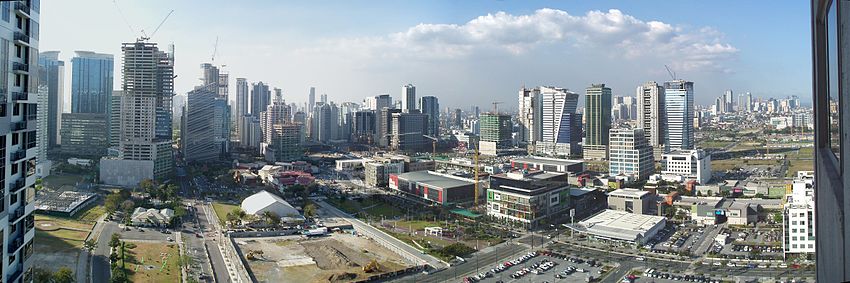
Location is a big consideration when buying a pre-selling condo unit. Not only will it guarantee you access to important establishments and facilities, but also determine its potential for value appreciation. Take the Fort Global City for example. Apart from the fact that it is in itself a booming business center, its proximity to Makati, Ortigas and the Ninoy Aquino International Airport makes it a strategic location for professionals or entrepreneurs whose place of work or business is in these business districts, or are frequently traveling. You can expect the value of properties in this location to double in just a short amount of time.
In addition to the location of the community, the location of the unit itself in the building can also give you pricing power, should you plan on leasing or selling your unit when the time is right.
The Developer

Photo courtesy: allstate.com
Never ignore hindsight. As mentioned earlier, there have been many cases when projects came into permanent hiatus because the developer has gone bankrupt. Getting your money back may be close to impossible.
Research on the track record of the developer before even considering investing in a condo unit from them.
TIP: The more experienced the developer, the less the risk of throwing your investment out the window.
Payment scheme

Photo courtesy: myrtlebeachcondos.net
Many developers offer a wide array of payment schemes, depending on the prospect’s flow of income. Options can range from full payment before occupancy to installment plans with or without down payment. But be wary of certain payment schemes with built-in balloon payments. Chances are, you could be paying more than what you should at the end of each calendar year.
For would-be condo owners considering monthly amortizations, the experts’ advice is to get the complete breakdown of fees from their brokers before signing the sales contract.
In addition to these three factors, be aware that the purchasing price is just the initial investment. The costs won’t stop when you have fully paid for your unit. Living in the condo community also means paying your monthly dues to the homeowners association for the maintenance of the building and its common areas.

Fort Global Condo is the official website of Michael Kingsu, Assistant Sales Manager of Megaworld Corporation. He joined Megaworld Corporation as a Property Consultant in Zenith Division March 2010 after finishing his Business Administration Degree from De La Salle – College of Saint Benilde. Through the practice of good working habits and dedication to his job that provides assistance and good quality service to his clients. He ended the year 2010 as the 10th Top Producer out of 130 Property Consultants on his first year in the company. This website offers excellent service and specializes in providing information in best real estate investments. For those who are interested investing in Township Projects by Megaworld Corporation, this will satisfy your dream home and investment. You are going to see a various projects in upcoming New Central Business District of the Philippines- Fort Bonifacio Global City, Taguig. If interested you may contact my direct mobile number or email address. As I can provide an excellence service and good relationship with clients.